
60%: this is the proportion of chronic patients in France who miss at least one medication dose each week, according to health insurance. In the daily care routine, the slightest error, a scattered file, and coordination between doctors falters. The result: the quality of medical follow-up faces avoidable obstacles.
The emergence of automation in administrative tasks and the instant reporting of biometric data are shifting the landscape. Artificial intelligence disrupts routines, reshuffles the cards of medical organization, and injects a new dynamic into the personalization of care pathways.
Artificial intelligence, a new ally for daily medical follow-up
Telemonitoring is gaining ground in healthcare services, gradually becoming a pillar of patient follow-up. Digital technologies are transforming the relationship between caregivers and patients. Thanks to artificial intelligence, connected devices collect, analyze, and instantly transmit health data: blood pressure, glucose levels, heart rate. It’s no longer just about storing data: these tools detect warning signs, trigger alerts, and notify relatives or professionals at the slightest anomaly.
Digital health assistants are establishing themselves as essential facilitators. They automate the sending of information, remind medical deadlines, organize files, and harmonize the flow of data between general practitioners, specialists, and paramedics. Less paperwork, more time for human interaction: responsiveness is gaining ground, and clinical decisions are based on a comprehensive, always updated view.
Data security is not relegated to the background. Specialized systems rely on proven protocols to ensure the confidentiality of exchanges. To learn more about Your Health Assistant, explore the tools that enhance daily support and refine the personalization of medical follow-up.
Now, the medical sector is equipping itself with tools capable of sorting alerts, contextualizing information, and integrating into the reality of professional practices. Artificial intelligence does not seek to replace humans: it positions itself as a partner to elevate the quality of care and restore trust in the system.
What concrete changes for patients and healthcare professionals?
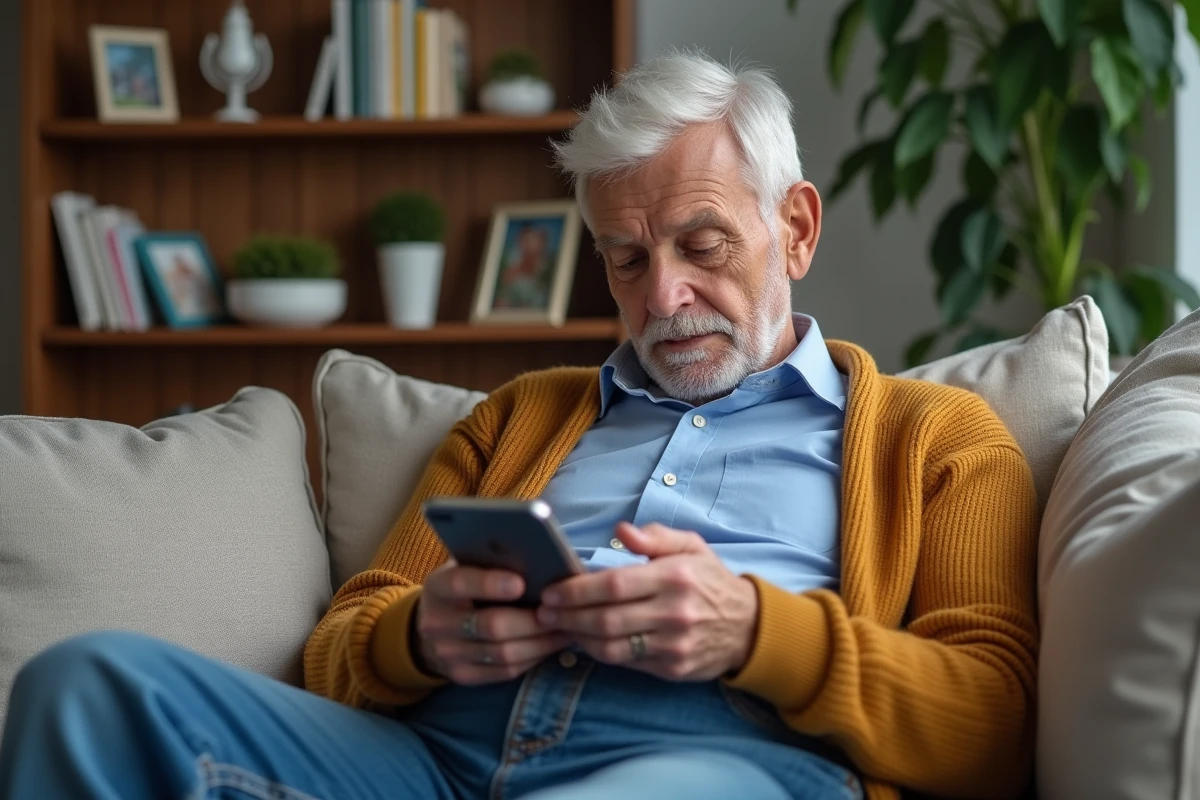
The arrival of a digital health assistant transforms the patient’s daily life. With the computerized medical record, all medical history, treatments, and vital signs are aggregated in one place. Appointments are reminded effortlessly, and data such as blood sugar or heart rate are recorded automatically. Forgetfulness fades, and the care pathway becomes smoother. For treatment management, alerts prevent any incompatibility, renewals are tracked, and the history remains accessible with a click.
For healthcare professionals, the change is also felt. Repetitive and time-consuming tasks give way to medical analysis and human interaction. Digital devices quickly identify clinical variations and allow for adjustments in follow-up without delay.
Here are some concrete examples of the benefits provided:
- Manual transcription generates fewer errors
- Coordination improves between hospitals, practices, and social health actors
- Secure access to medical data supports more accurate clinical decisions
The dialogue between caregivers and patients takes on a new dimension. Information flows smoothly, and a climate of trust is built. Medical computing does not erase the human element; it allows for reinvesting time in listening and care. Security remains at the center: every access is protected, every transmission is encrypted.
Explore digital assistance tools: towards more personalized and proactive medicine
The advancements in health technologies pave the way for a new medical practice. Platforms equipped with artificial intelligence support clinicians in data analysis and file management. Thanks to machine learning, these systems detect subtle changes in the patient’s history and offer targeted recommendations, refining clinical reasoning.
The digital medical assistant no longer just gathers information: it directly contributes to the personalization of follow-up. Algorithms instantly process exams, imaging, or alerts from connected devices. Caregivers benefit from a clear and reliable view, facilitating risk anticipation and enhancing prescription safety.
These developments manifest in several ways:
- Optimized management of the medical record
- Early detection through automated analysis
- Increased security during the transmission of sensitive information
The adoption of these tools in the medical sector is not limited to technology: it transforms usage, practices, and the caregiver-patient relationship. Medical computing becomes a driver of progress for the quality of care, while placing confidentiality and data security at the heart of the system. The contours of medicine are evolving: more personalized, more responsive, and resolutely focused on serving people.