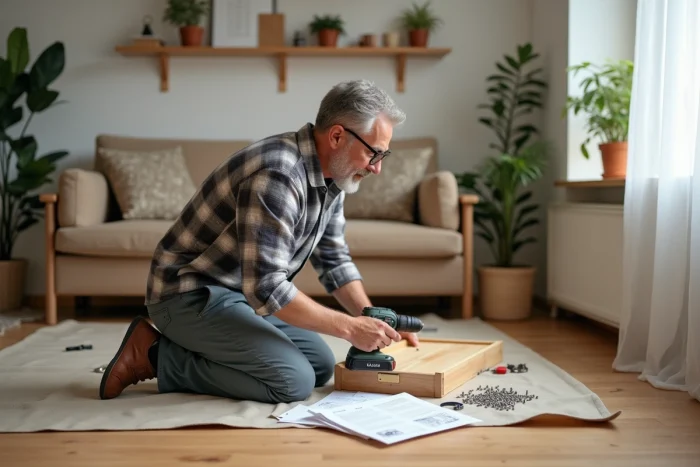
A poorly tightened fastener doubles the repair time during a subsequent breakdown. Multifunction tools promise space savings, but often limit precision on technical tasks. There is a notable difference between materials of the same name depending on their origin, influencing the durability of the result obtained.
The order in which the steps are carried out directly impacts the strength of the final assembly. Some common actions, such as sanding between coats, remain the key to a lasting finish, even if often overlooked. Simple tips can help avoid classic pitfalls without resorting to professional equipment.
The basics to know to start DIY with confidence
Diving into a DIY project is not done on a whim. Choosing the right tools, understanding the techniques suited to each step, and seriously preparing the site: this is what guarantees a satisfactory result. Before tackling a wall or dismantling an outlet, take the time to identify each material, note the upcoming operations, and ensure that your protective equipment is truly suitable. Safety starts with these gestures: well-fitted goggles, sturdy gloves, and a filtering mask when sanding.
For beginners, relying on concrete advice and tested tips helps avoid costly mistakes. Clear tutorials, precise diagrams, well-designed videos: these resources facilitate each step and provide reassurance. An organized workspace guarantees time savings and prevents aimless wandering.
The success of a project often depends on mastering the fundamentals: measuring accurately, drilling straight, screwing neatly, preparing each surface. These actions, explained in detail in the guide from the Blog du Bricoleur, separate durable repairs from temporary solutions. Learning to DIY means accepting to experiment, correct, and always inform oneself about safety before acting.
Here are the reflexes to adopt for a solid start:
- Meticulously prepare your workspace
- Equip yourself with suitable protections
- Structure each step of the project
- Consult practical advice and reliable tutorials
What tools and tips really facilitate the first projects at home?
When setting up your workshop at home, it’s better to invest in a few essential tools: a reliable tape measure, screwdrivers that fit well in hand, a precise level, and a well-balanced hammer. These tools form the core of any effective intervention. As DIY projects grow in scale, a drill-driver quickly becomes indispensable: it speeds up assembly and allows for cleaner finishes.
Storage, often underestimated, plays a crucial role. Organizing your consumables, screws, plugs, and glues in suitable boxes or on modular shelves brings serenity and efficiency. No more running after a screw at the wrong moment: everything is within reach, every action counts.
Safety remains the priority, without compromise. Protect your eyes with suitable goggles, your hands with sturdy gloves, and wear a mask whenever sanding or cutting. These precautions are never unnecessary.
To get off to a good start, here are some simple actions that make daily tasks easier:
- Prepare the workspace by removing any obstacles
- Check the condition of your tools before each use
- Anticipate material needs based on the project’s specifics
If you’re starting out, rely on illustrated guides, structured tutorials, and advice tailored for each level. Prioritize the quality of tools over multiplying references: robust equipment will accompany you for the long term, and your projects will gain reliability.
Simple ideas to progress and enjoy DIY every day
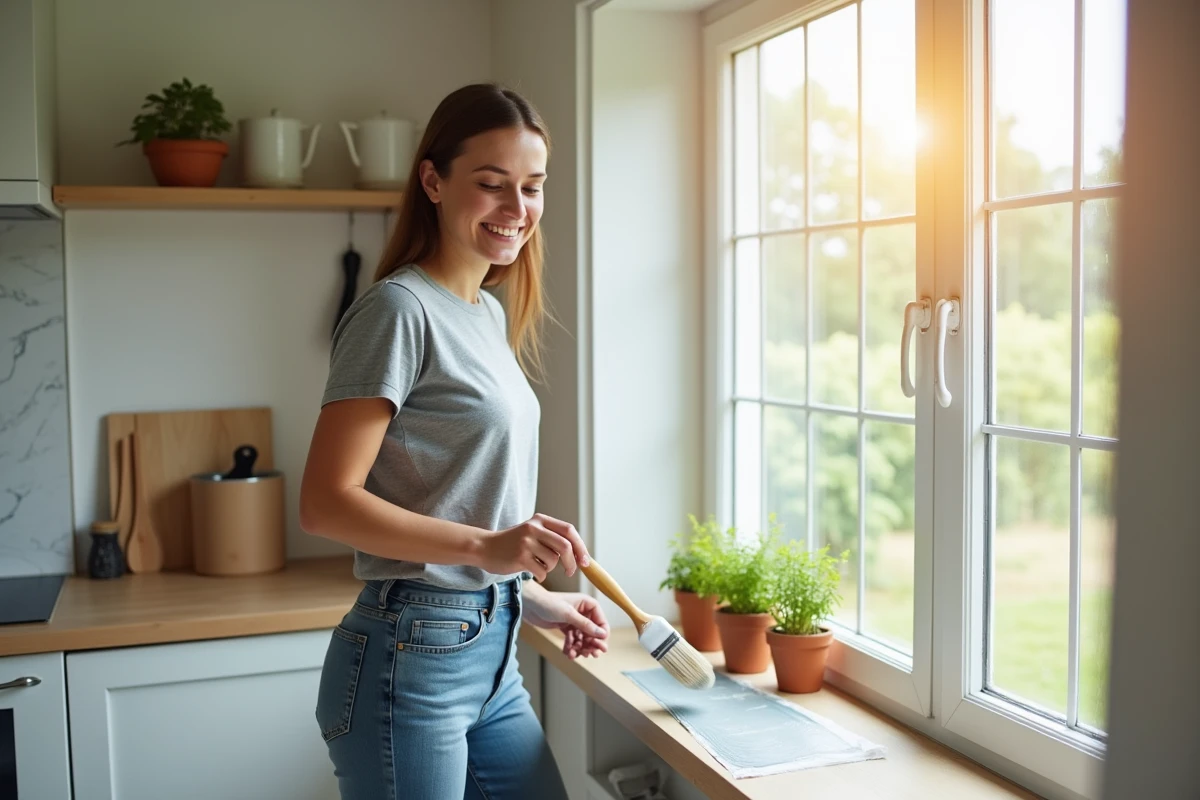
DIY is primarily a series of accessible ideas, concrete projects within everyone’s reach, and the pleasure of seeing your work take shape. The ideal is to start with a project suited to your level: repainting a shelf, assembling a flat-pack furniture, daring a decorative tip on a wall, or breathing new life into a forgotten object. It is repetition, curiosity, and the willingness to test that lead to progress, even in small increments.
To vary experiences, draw from specialized books or online tutorials. Opt for responsible materials, try recycling, and learn to handle each tool well. In painting, nothing beats experimenting: a masking tape for clean edges, a splash of bright color to transform the ambiance of a room, everything becomes an opportunity to learn.
Here are some concrete ideas to enrich your daily life:
- Repurpose pallets to make a coffee table.
- Customize an old piece of furniture instead of throwing it away.
- Improve the insulation of a window with adhesive tape.
DIY is about moving at your own pace, discovering new techniques, and mastering tips that facilitate each step. It’s also about sharing: a project with family bonds, transmits, and helps everyone grow around common goals. More than just a hobby, DIY becomes a way to inhabit differently, to give meaning to every gesture, and to open the door to all desires.