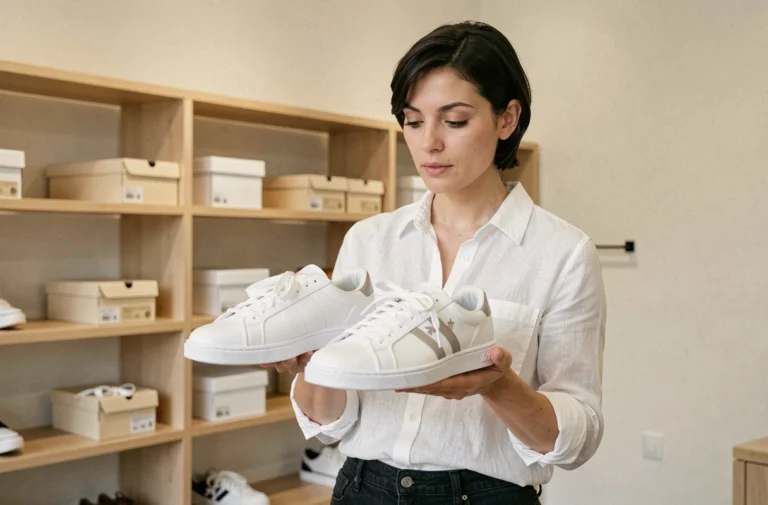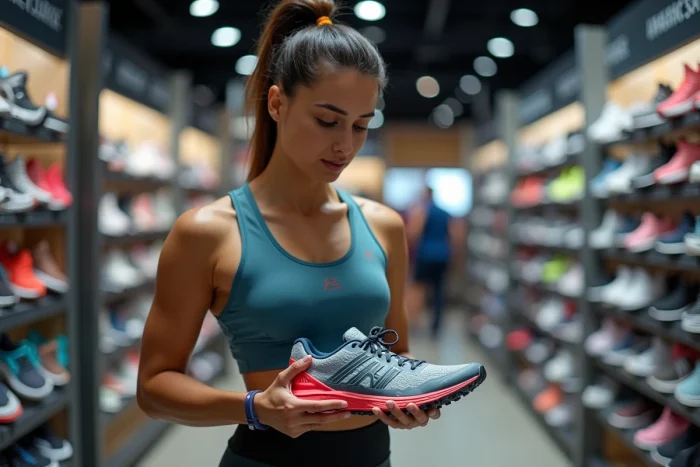
The choice of sports equipment relies less on brand or displayed price than on the suitability of the gear to the biomechanics of the user. A shoe that does not fit the foot volume or a fabric that does not manage moisture according to the intensity of the effort degrades performance long before muscle fatigue comes into play.
Drop, cushioning, and fit: technical criteria that take precedence over pronation
For years, classification according to running style (pronator, supinator, neutral) has guided the choice of running shoes. A systematic review published in 2023 in the British Journal of Sports Medicine challenges this approach: the comfort perceived by the runner predicts injury risk reduction better than externally imposed criteria, such as foot type or degree of pronation taken in isolation.
We recommend testing several drops (the difference in height between heel and forefoot) on a treadmill or outdoors before settling on a model. A four-millimeter drop does not suit everyone, even if the minimalist trend presents it as a standard. The perception of support, the distribution of plantar pressure, and the cushioning response at the target pace remain the best indicators.
The volume of the fit deserves as much attention as the cushioning. Since 2023, several brands like Nike, Asics, or Puma have developed gender-specific lines that no longer simply reduce the size of a male model. These lines incorporate differences in plantar pressure and stability measured in female athletes.
A fit specific to female morphology reduces joint stress more effectively than a simple size adjustment, with a direct impact on injury prevention and performance.
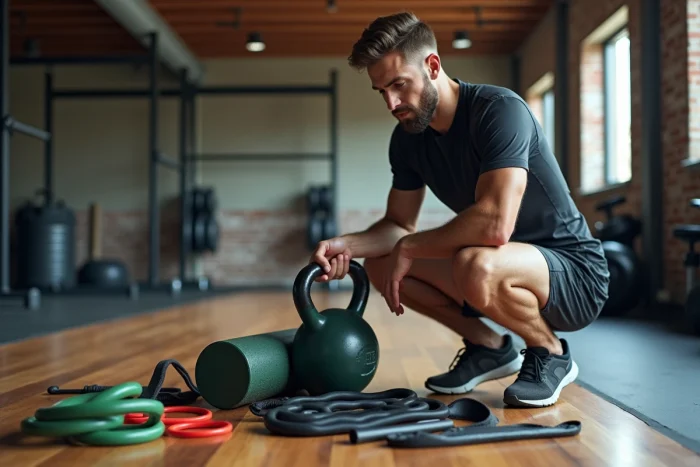
To compare technical specifications and filter by drop, type of stride, or discipline, platforms like Sportlinea allow you to cross-reference these parameters before trying in-store.
Technical textiles: weight, construction, and thermal management
A sports textile is not just about the “breathable” label. The moisture-wicking ability depends on the knit construction (mesh, single jersey, textured knit), weight, and surface treatment. A shirt that is too light for a winter cycling outing forces the body to expend energy to maintain its core temperature, at the expense of available power.
The weight must match the intensity and conditions. For interval training indoors, a lightweight, quick-drying textile is sufficient. For a trail at altitude with thermal variations, we prefer a base layer in channel knit that wicks sweat without sticking to the skin, paired with a mid-layer of sufficiently dense weight to retain heat during walking phases.
Compression: what the literature confirms and nuances
Compression garments remain popular. Their effect on post-effort recovery is documented, but their impact on performance during effort remains modest. The main benefit lies in proprioceptive support and reduced muscle vibrations, not in measurable gains in VO2max or speed.
- For running, well-fitted compression socks reduce the feeling of fatigue on long outings without altering cadence.
- For weight training, a compressive legging stabilizes the knees during deep squats but does not replace a rigid knee brace in case of ligament weakness.
- For cycling, a graduated compression shorts improves saddle comfort, provided that the chamois is sized for the intended duration of the ride.
Protective gear and connected accessories: investing in the right places
Injury prevention involves protective gear suited to the actual risk level of the discipline. An enduro mountain bike helmet does not have the same certification as a road helmet. Using one in place of the other either leads to unnecessary overprotection (weight, ventilation) or exposes one to an uncovered impact risk.
The National Health Security Agency (Anses) now incorporates comfort and equipment adaptation as levers for injury prevention and maintaining practice in its public health recommendations. The message has changed: uncomfortable equipment discourages regularity, and irregularity increases the risk of injury upon resumption.
Watches and sensors: useful data versus superfluous data
Connected accessories multiply the available metrics. Heart rate, power at the wrist, running dynamics, oxygen saturation: the temptation to measure everything often distracts from analyzing the two or three indicators that truly matter for progress.
- For a runner, heart rate and pace per kilometer are sufficient to structure most training plans.
- For a cyclist, power (measured at the crank or hub, not estimated at the wrist) remains the gold standard for tracking progress.
- For a swimmer, time per 100 meters and the number of strokes per length provide more useful information than a SWOLF score displayed without context.
- A quality sensor on a relevant indicator is better than a high-end watch that displays dozens of data points never utilized.
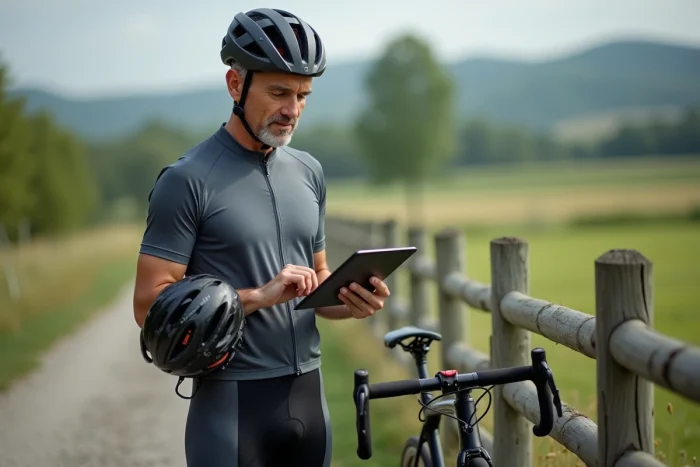
The right sports equipment is not the most expensive or the most technological. It is the one that disappears during effort to let the body work without unnecessary constraints. Testing, comparing feelings, and focusing on a few precise technical parameters yield better results than accumulating gear based on generic recommendations.